Dubai's humidity and temperature swings are hard on timber. Wood absorbs moisture, expands and can warp, crack or swell if it is not suitable for the environment.
The right material and finish make the difference between furniture that lasts and joinery that fails within a season.
Solid wood versus engineered boards
Solid wood is beautiful and repairable, but it moves with humidity. Engineered boards such as MDF and plywood are more stable when properly sealed.
For built-in wardrobes, kitchen cabinets and painted joinery, quality engineered boards are often the practical choice. For visible furniture, solid hardwood can work well if it is acclimatised and finished correctly.
Good wood choices for UAE homes
Teak, oak, walnut and some mahogany species are popular for furniture. Teak is naturally resistant to moisture, while oak and walnut need a protective finish.
For outdoor furniture, choose teak, acacia or another weather-resistant timber rather than an indoor softwood.
- Teak: moisture resistant and durable.
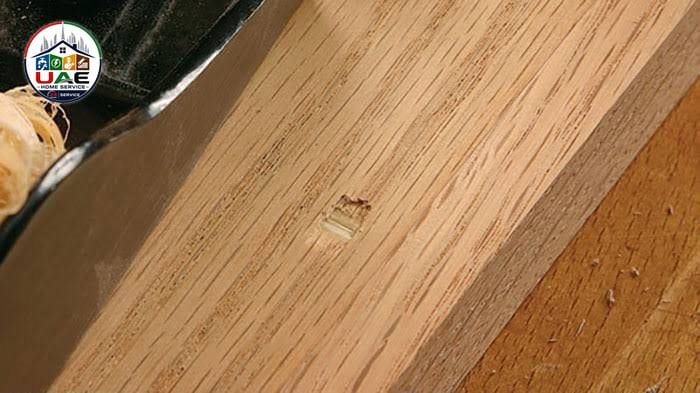
- Oak: strong, attractive and takes stain well.
- Walnut: premium look, needs protection from direct sun.
- Plywood and MDF: stable for built-ins when sealed.
- Avoid untreated softwood in humid or outdoor areas.
Buying tip
Ask what the furniture or cabinet is made from, not just what it looks like. The core material and finish determine how long it will last.
The finish matters as much as the wood
A good finish slows moisture movement. Lacquer, polyurethane, oil and melamine all behave differently, so choose based on the item and how much wear it will get.
Edges are the most vulnerable part of any board. Quality edge banding or sealing prevents moisture from entering the core.
Protect wood in a dry, air-conditioned home
Air conditioning removes moisture from the air, which can dry timber and cause small cracks. Keep furniture away from direct airflow and out of harsh sunlight.
Use coasters under drinks, wipe spills quickly and avoid placing hot items directly on finished surfaces.